Syllabus
The complete syllabus from 10th kyu to 7th dan. Choose a grade or search for a technique.
Hover over an illustrated technique to preview it. Click to open the detailed card.
10th kyu
Orange Belt
Stances (Dachi)
Arm techniques
Leg techniques
Blocks (Uke)
Katas
.
Kumite (fight)
.
Knowledge & Requirements
- Meaning of Kyokushin
- Dojo etiquette
- Tying the belt and wearing the gi
- Counting to 10 in Japanese
Condition
- 20Jump squats
- 20sit-ups
- 10push-ups
9th kyu
Orange Belt · With stripe
8th kyu
Blue Belt
7th kyu
Blue Belt · With stripe
6th kyu
Yellow belt
5th kyu
Yellow belt · With stripe
4th kyu
Green belt
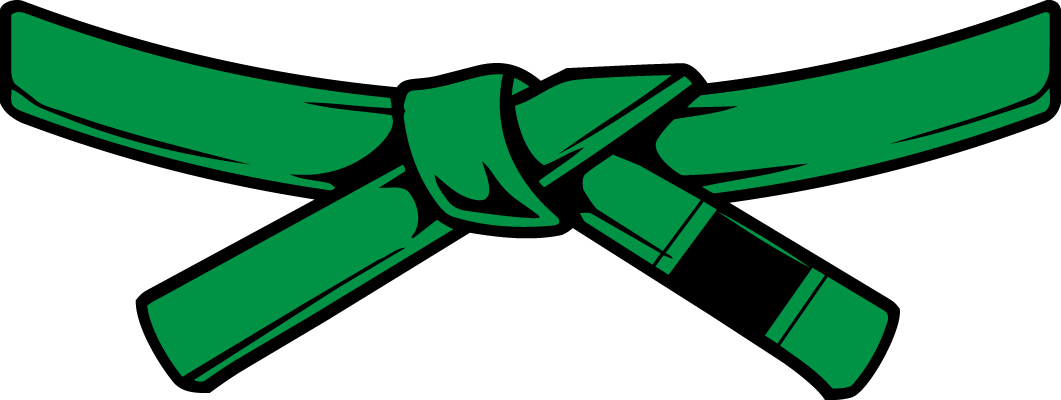
3rd kyu
Green belt · With stripe
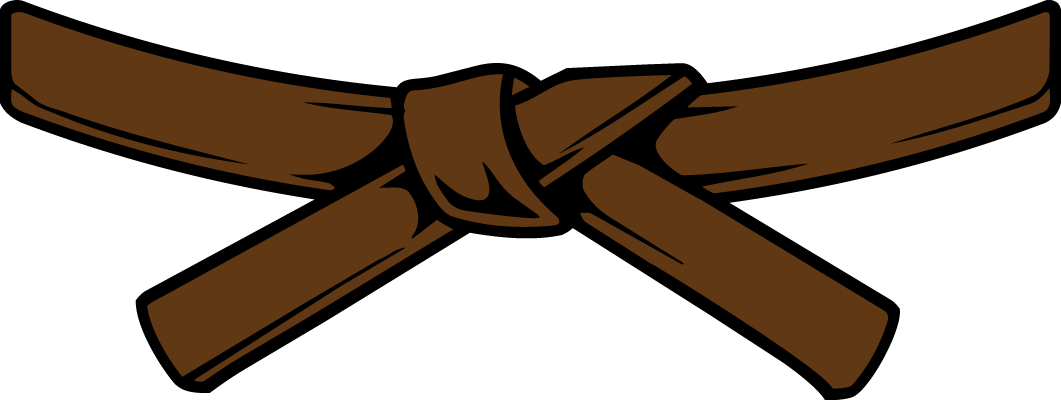
2nd kyu
Brown belt
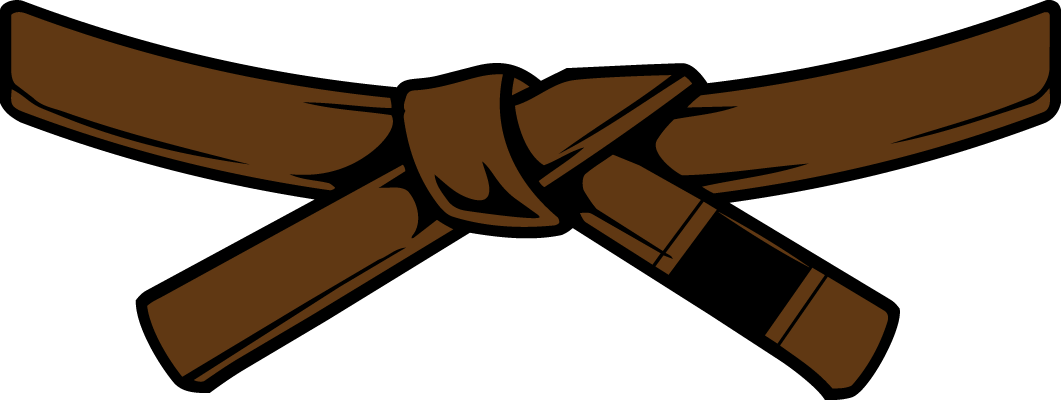
1st kyu
Brown belt · With stripe
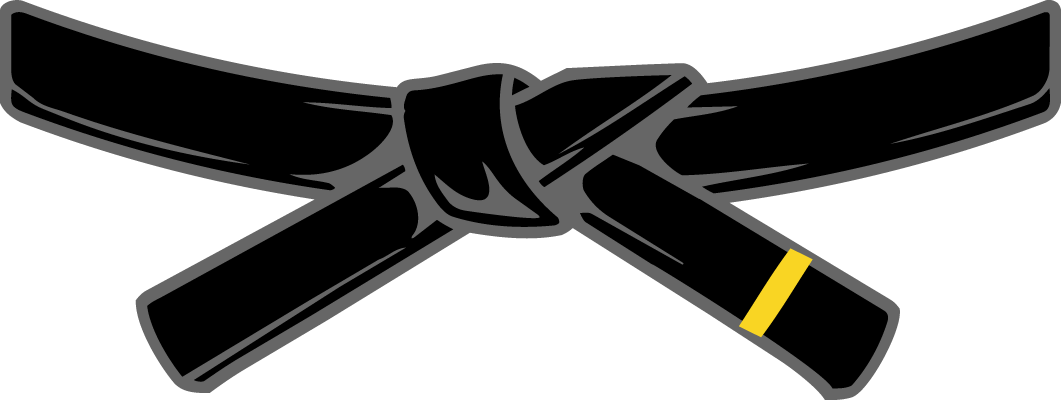
1st dan (Shodan)
Black belt
Stances (Dachi)
.
Arm techniques
Leg techniques
Blocks (Uke)
Kumite (fight)
Jiyu Kumite — 20 × 2 min
Knowledge & Requirements
- At least 1 year after 1st kyu and at least 18 years
- At least one Belgian camp in the year before the exam
- Tameshiwari: Chudan Tsuki and Mae Geri
- Bunkai at Shodan level and realistic self-defense against three imposed attacks
- Assistant teacher in his own dojo
- 20 one-minute fights, plus 10 one-minute fights at Mountain Camp
- Three assignments as a corner judge and one kumite competition during the year
- Three national training sessions during the year and a first-aid certificate
Condition
- 100Jump squats
- 100sit-ups
- 50push-ups
2nd dan (Nidan)
Black belt
Stances (Dachi)
.
Arm techniques
Leg techniques
Blocks (Uke)
Kumite (fight)
Jiyu Kumite — 20 × 2 min
Knowledge & Requirements
- At least 2 years after 1st dan and at least 21 years old
- One Belgian camp and one international camp during the two years preceding the grading
- Tameshiwari: Chudan Tsuki, Mae Geri and Shuto Sakotsu Uchi
- Bunkai at Nidan level and realistic self-defense against three imposed attacks
- Assistant teacher in his own dojo
- 20 one-minute fights, plus 10 one-minute fights at Mountain Camp
- Three assignments as a corner judge and one kumite competition during the year
- Three national training sessions during the year and a first-aid certificate
Condition
- 100Jump squats
- 100sit-ups
- 50push-ups
3rd dan (Sandan)
Black belt
Stances (Dachi)
.
Arm techniques
.
Leg techniques
.
Blocks (Uke)
.
Kumite (fight)
Jiyu Kumite — 20 × 2 min
Knowledge & Requirements
- At least 25 years; 3 years as dojo leader, otherwise 5 years waiting
- Two Belgian camps and two international camps during the two years preceding the grading
- Bunkai at Sandan level and realistic self-defense against three random attacks
- 30 one-minute fights, plus 10 one-minute fights at Mountain Camp
- Active contribution to the national organisation and first aid certificate
Condition
- 100Jump squats
- 100sit-ups
- 50push-ups
4th dan (Yondan)
Black belt
Stances (Dachi)
.
Arm techniques
.
Leg techniques
.
Blocks (Uke)
.
Katas
.
Kumite (fight)
According to the assessment of the EKO committee
Knowledge & Requirements
- Examinations only at the official EKO-grading camp, for the EKO-committee
- At least 4 years after 3rd dan and at least 30 years old
- Recommendation letter from the Country Representative and the Dojo Leader
- Two Belgian camps and two international camps during the two years preceding the grading
- Able to demonstrate every kata learned
- Dojo leader; participation in three national training sessions during the year
- International corner-judge certificate and a sustained contribution to refereeing
- First aid certificate; BKOS instructor or organizer of competitions/camps
Condition
- 100Jump squats
- 100sit-ups
- 50push-ups
5th dan (Godan)
Black belt
Stances (Dachi)
.
Arm techniques
.
Leg techniques
.
Blocks (Uke)
.
Katas
.
Kumite (fight)
According to the assessment of the WKO committee
Knowledge & Requirements
- Grading held exclusively at the Black Belt Camp following the World Championships, before the WKO committee
- At least 5 years after 4th dan and at least 40 years old
- Majority recommendation of the Branch Chiefs after oral explanation of career and motivation
- Structural contribution as an instructor at Belgian camps and two international camps in the previous two years
- Able to demonstrate every kata learned and must lead a dojo
- Structural contribution as an instructor at national training courses
- International corner-judge and referee B certificates; sustained contribution to refereeing
- First aid certificate; structural organisation of BKOS competitions and camps
Condition
- 100Jump squats
- 100sit-ups
- 50push-ups
6th dan (Rokudan)
Black belt
Stances (Dachi)
.
Arm techniques
.
Leg techniques
.
Blocks (Uke)
.
Katas
.
Kumite (fight)
.
Knowledge & Requirements
- At least 6 years after the 5th and at least 50 years
- Grade awarded on the recommendation of the WKO to Shihan who have made an exceptional contribution to the national and international development of Shinkyokushin
- Submit a written story about the Kyokushin career
7th dan (Nanadan)
Black belt
Stances (Dachi)
.
Arm techniques
.
Leg techniques
.
Blocks (Uke)
.
Katas
.
Kumite (fight)
.
Knowledge & Requirements
- At least 7 years after the 6th and at least 58 years
- Grade awarded on the recommendation of the WKO to Shihan who have made an exceptional contribution to the national and international development of Shinkyokushin
Technique library
Reference points & terminology
Counting in Japanese
- 一1 · Ichi
- 二2 · Ni
- 三3 · San
- 四4 · Shi
- 五5 · Go
- 六6 · Roku
- 七7 · Shichi
- 八8 · Hachi
- 九9 · Ku
- 十10 · Ju
Target heights

- Jodan
- High (head / face)
- Chudan
- Middle (torso)
- Gedan
- Low (below the belt)
Titles & Contact Titles
- Senpai
- Senior grade present; 1st or 2nd dan (Shodan / Nidan).
- Sensei
- Teacher; 3rd or 4th dan (Sandan / Yondan).
- Shihan
- Master; from 5th dan (Godan) onward.
Greetings ceremony
- Shinzen Ni Rei
- Greetings to the grandmasters of karate.
- Sosai Ni Rei
- Greetings to the founder Mas Oyama.
- Mokuso
- Close your eyes (meditation).
- Mokuso Yame
- Open your eyes.
- Shihan / Sensei / Senpai Ni Rei
- Greetings to the shihan, the sensei and the senpai.
- Otagai Ni Rei
- Greetings to each other.
Glossary
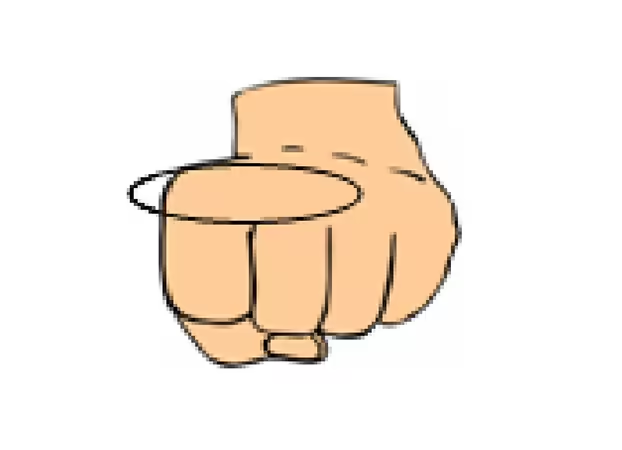
- Seiken
- Fist (front)
- Tsuki
- Straight punch
- Uchi
- Strike/Inside
- Uke
- Defence / block
- Geri
- Kick
- Dachi
- Stance

- Oi
- Same side as the front leg
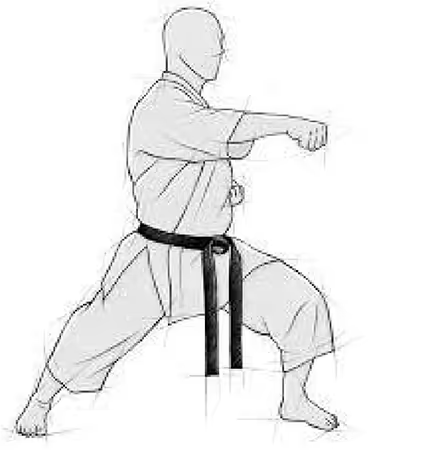
- Gyaku
- Opposite side (back leg)
- Morote
- Double (two hands)
- Mawashi
- Rotating
- Age
- Upward
- Oroshi
- Descending
- Juji
- Crossed
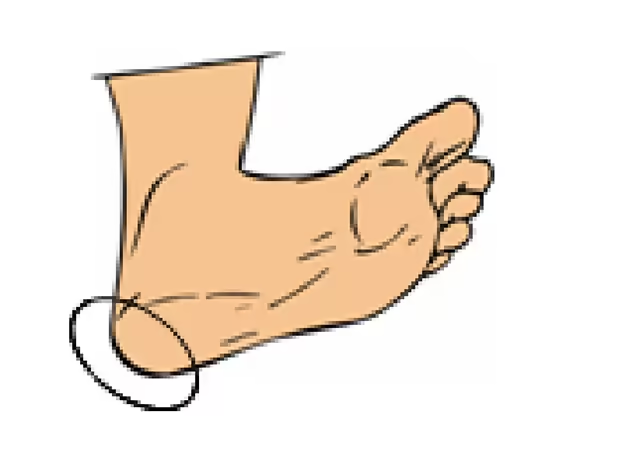
- Kakato
- Heel
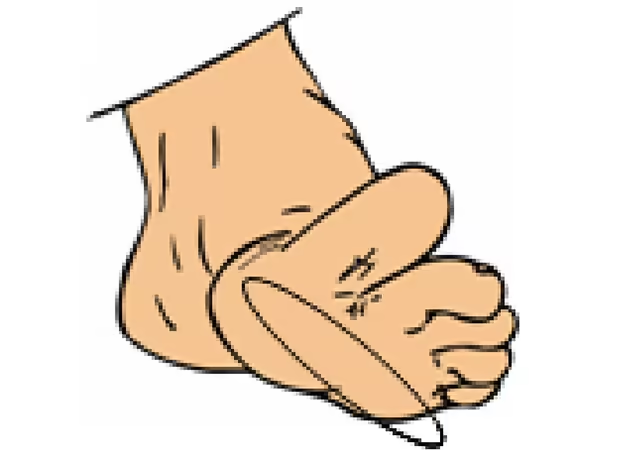
- Chusoku
- Ball of foot (base of toes)
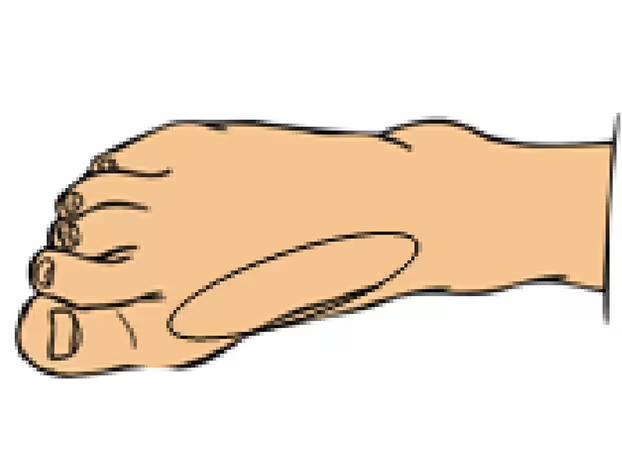
- Haisoku
- Instep (top of the foot)
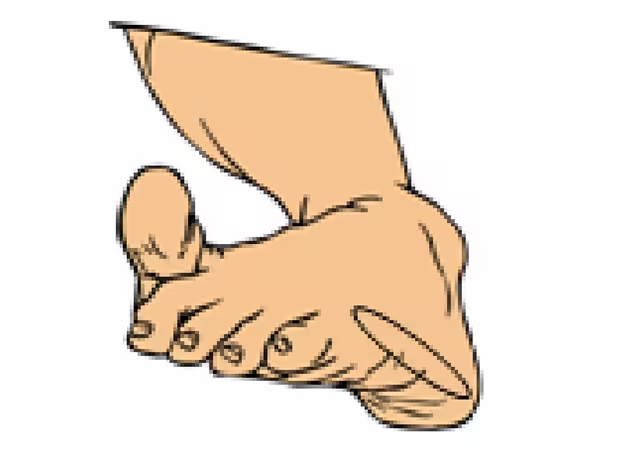
- Sokuto
- Outer foot edge
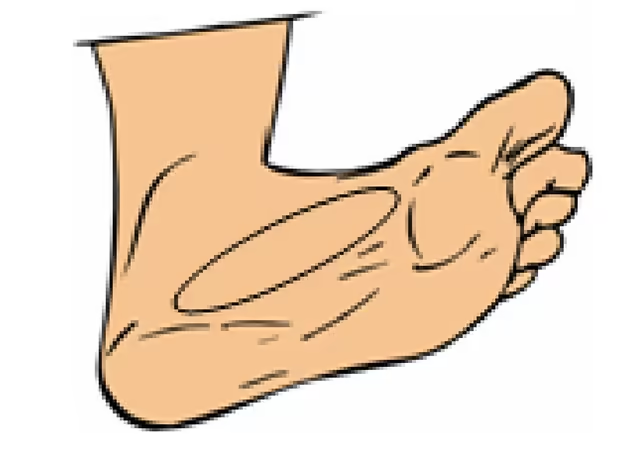
- Teisoku
- Arch and inner edge of the foot
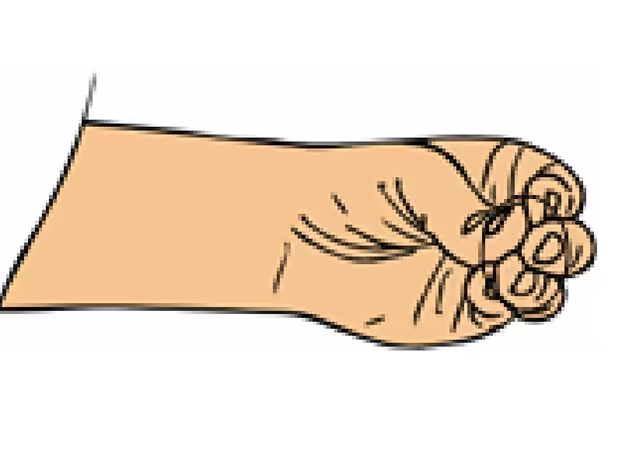
- Keiko
- Tips of the toes

- Kake
- Angle

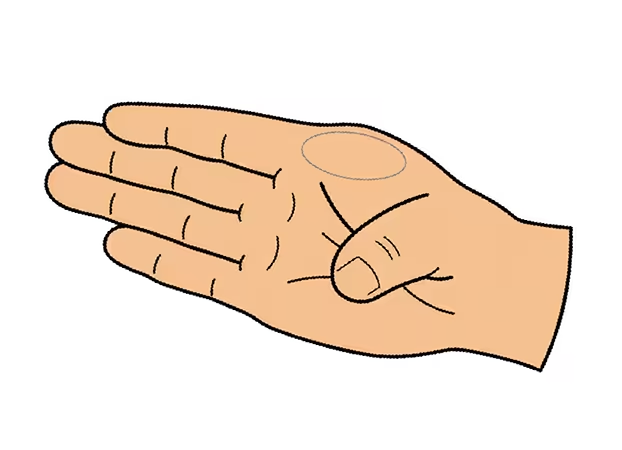
- Haishu
- Back of the hand
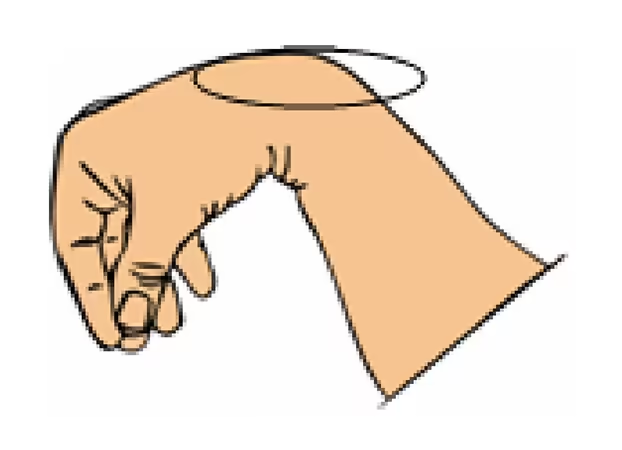
- Haito
- Inner hand edge
- Koken
- Wrist
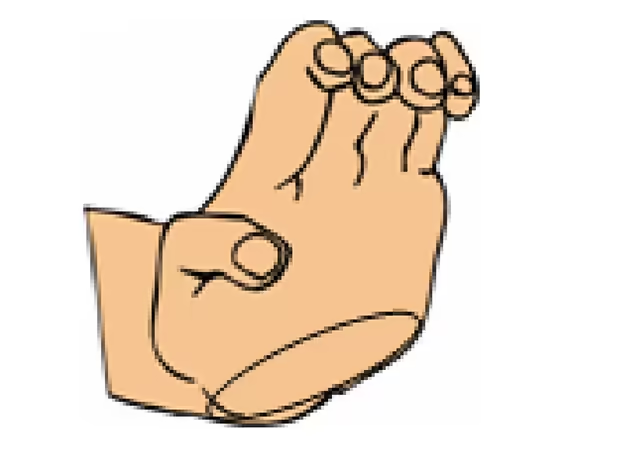
- Shotei
- Heel of the palm
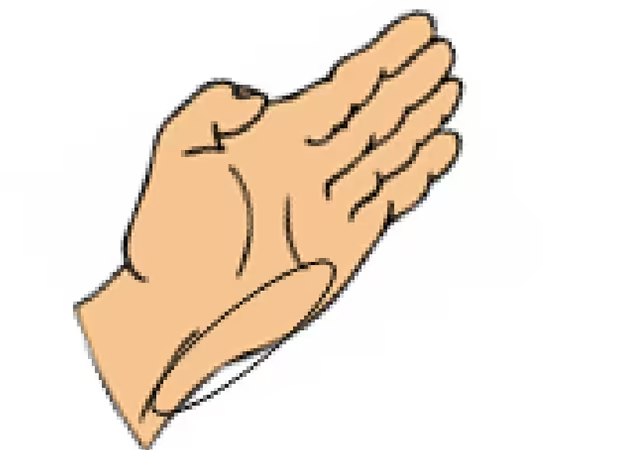
- Shuto
- Knife Hand
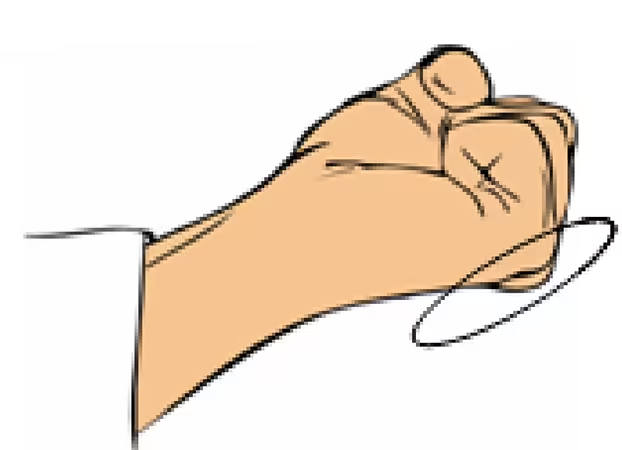
- Uraken
- Backfist
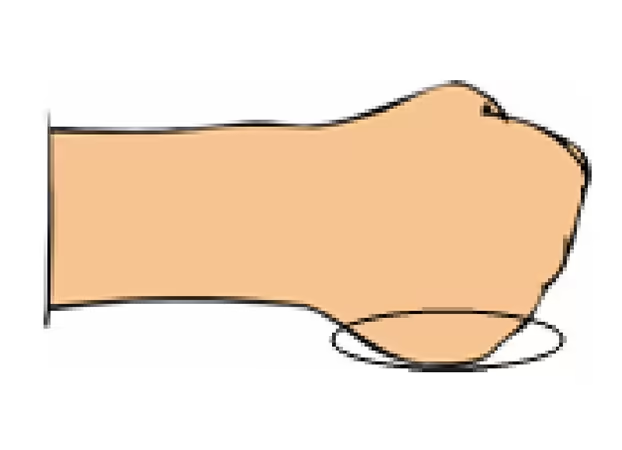
- Tetsui
- Hammer fist
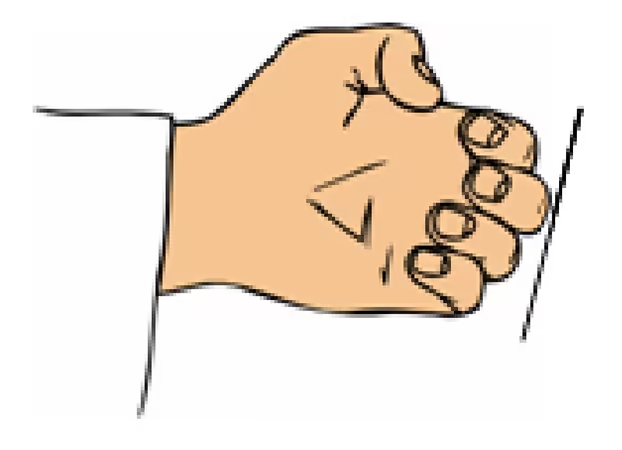
- Hiraken
- Flat knuckle fist
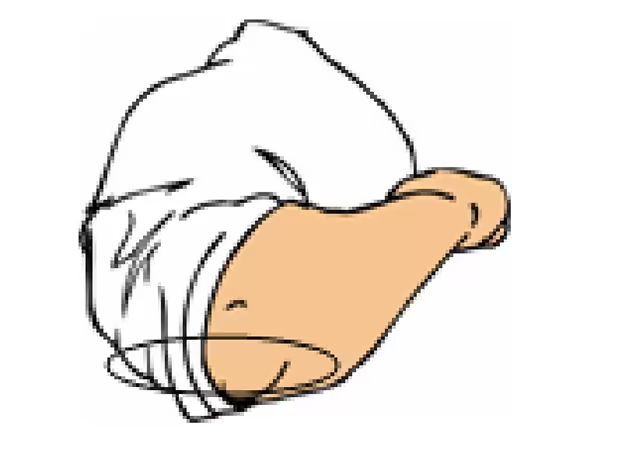
- Hiji
- Elbow
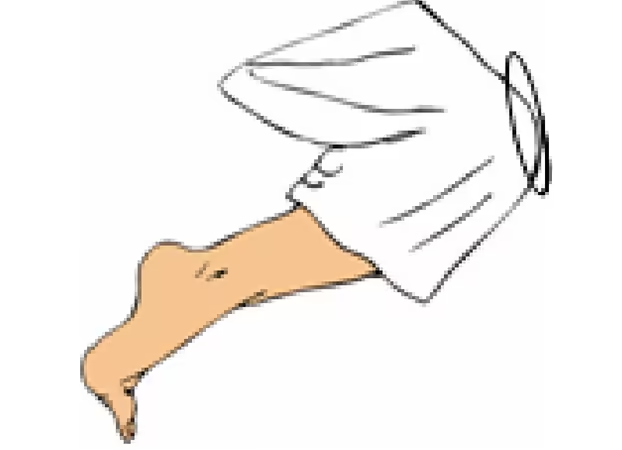
- Hiza
- Knee
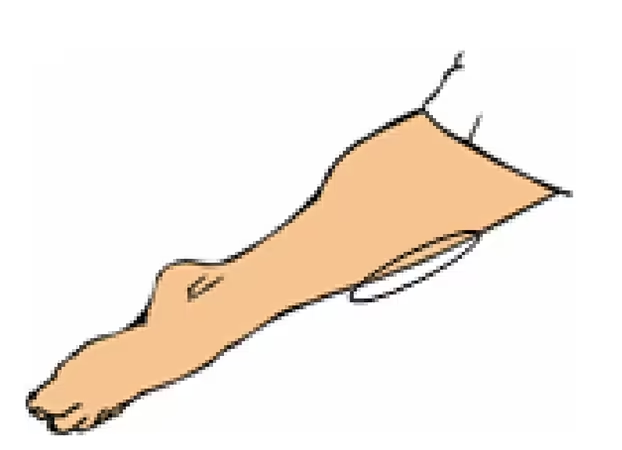
- Sune
- Shin
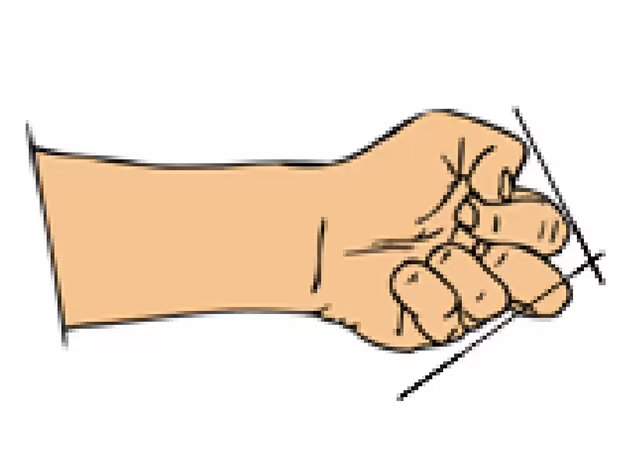
- Ryuto Ken
- Dragonhead fist
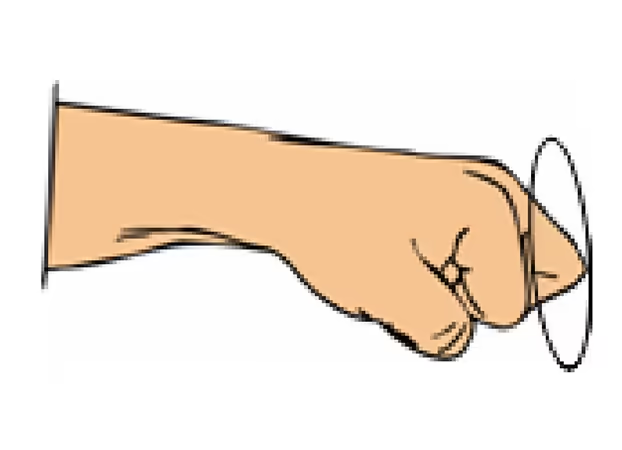
- Naka Yubi Ippon Ken
- One knuckle fist with middle finger
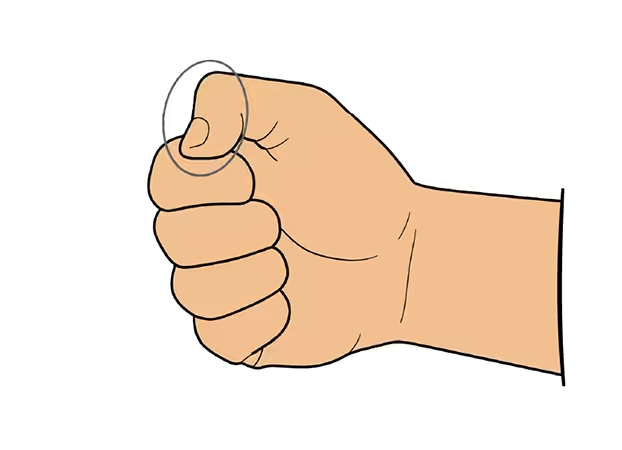
- Oya Yubi Ippon Ken
- Thumb knuckle
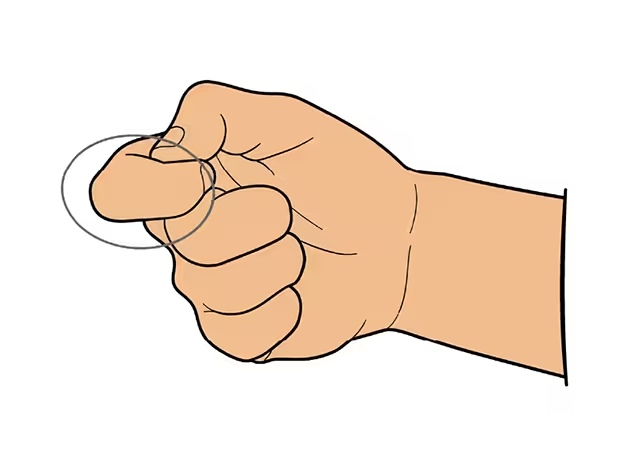
- Hitosashi Yubi Ippon Ken
- One knuckle fist with index finger
- Nukite
- Hand spear (fingers)
- Soto
- Outside
- Tobi
- Jump
- Mokuso
- Meditation
- Ibuki
- Dynamic breathing
- Nogare
- Soft breathing
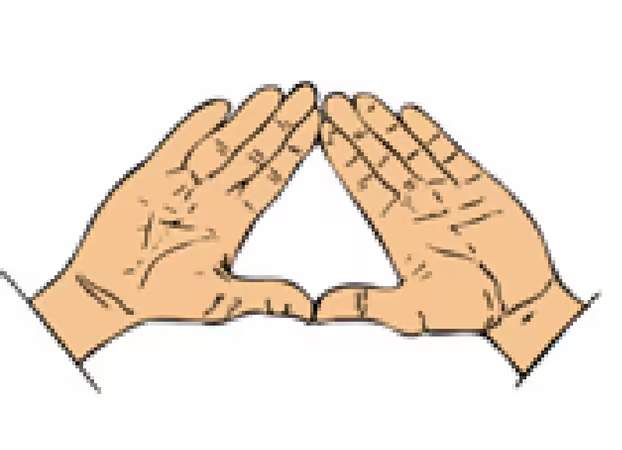
- Kanku
- Kyokushin symbol looking at the sky
Examination conditions (BKOS)
Gradings follow the official BKOS rules: minimum number of training sessions, minimum age, time in grade and, from 1st kyu onward, assessment by the grading panel during seminars or camps. The dojo leader decides whether a karateka is ready to grade.
Official BKOS conditions (opens in a new tab)